Chronic abdominal mass
Aliasuterine fibroids/ovarian cysts
Traditional Chinese Medicine Definition
In traditional Chinese medicine, "Syndrome of Masses" refers to a gynecological disorder, also known as uterine fibroids or ovarian cysts. As recorded in "Internal Medicine of Traditional Chinese Medicine," Syndrome of Masses is characterized by abnormal growths within the female uterus, presenting as abdominal masses accompanied by symptoms such as distension, sharp pain, or irregular menstrual flow. The formation of Syndrome of Masses is often attributed to disharmony of Qi and blood, with the internal obstruction of blood stasis, phlegm, and dampness.
In clinical practice of traditional Chinese medicine, the core pathogenesis of Syndrome of Masses is the disharmony of Qi and blood, with the internal obstruction of blood stasis, phlegm, and dampness. Common precipitating factors include emotional disturbances, irregular diet, and improper work and rest. In the process of differentiation, it is important to distinguish between the Syndrome of Qi Stagnation and Blood Stasis, which is characterized by abdominal masses, distension or sharp pain, and irregular menstrual flow, and the Syndrome of Phlegm-Dampness and Blood Stasis, which is characterized by abdominal masses that are not firm upon palpation and excessive leukorrhea. In treatment, traditional Chinese medicine often employs methods of promoting Qi and activating blood, resolving blood stasis, and dissipating masses. For those with the Syndrome of Phlegm-Dampness and Blood Stasis, it is necessary to resolve phlegm and dampness, and resolve blood stasis and dissipate masses. The overall direction of adjustment suggests that attention should be paid to adjusting the patient's lifestyle, maintaining emotional well-being, eating a light diet, and engaging in moderate physical exercise to promote the circulation of Qi and blood, thereby preventing and treating Syndrome of Masses.
Common Syndrome Types and Key Points of Differentiation
Stagnation and blood stasis
Main Manifestations: Abdominal mass with distension or piercing pain, menstrual flow is not smooth
Management Approach: Promote Qi and Activate Blood Circulation, Dissolve Blood Stasis and Eliminate Masses
Phlegm-Dampness and Blood Stasis Syndrome
Main Manifestations: Abdominal mass, soft to the touch, and excessive leukorrhea
Management Approach: Resolve Phlegm and Drain Dampness, Dissolve Blood Stasis and Eliminate Masses
The above syndrome information is based on traditional Chinese medicine textbooks and clinical standards. Specific differentiation should be completed by a practicing traditional Chinese medicine physician in person.
Physician's Clinical Insights
When encountering patients with Syndrome of Masses, it is important to analyze the interrelationships among Qi stagnation, blood stasis, and phlegm-dampness, and to treat comprehensively.
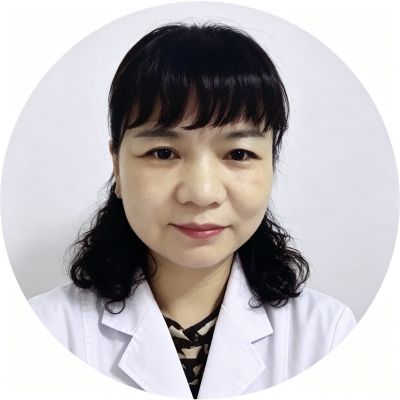
— Fan Li Traditional Chinese Medicine (TCM) Practitioner Assistant Physician
Related Popular Articles
Related Practicing Physicians

Related TCM Treatment Programs
This page is for the popular science of traditional Chinese medicine knowledge and does not constitute medical advice. Specific diagnosis should be completed by a licensed traditional Chinese medicine practitioner in person.
This article has been reviewed by licensed TCM physicians at Hangzhou Kezhentang TCM Clinic. It is for TCM popular science reference only and does not involve specific treatment plan recommendations.
References: Internal Medicine of TCM (13th Five-Year Plan Textbook), Diagnostic and Therapeutic Effectiveness Standards for TCM Diseases and Syndromes (ZY/T001.1-94), Classification and Codes of TCM Diseases and Syndromes (GB/T 15657-2021)