Low Back Pain
AliasLow back and leg pain
Traditional Chinese Medicine Definition
In traditional Chinese medicine, lumbago, also known as lumbar and leg pain, falls under the category of "diseases of the limbs and meridians." It refers to the symptom of pain and discomfort in the lumbar region. The classic text "Internal Medicine of Traditional Chinese Medicine" records: "Lumbago is primarily due to kidney deficiency, with external pathogenic factors as the secondary cause, or it may be caused by overexertion, falls, or sprains." The pathogenesis of lumbago is complex, involving multiple organs such as the kidney, liver, and spleen, and is one of the common clinical syndromes.
In TCM clinical practice, the core pathogenesis of lumbago is mostly related to kidney deficiency. The kidney governs bones and produces marrow; the lower back is the mansion of the kidney. Kidney deficiency leads to malnourishment of the lumbar region, predisposing to lumbago. Common triggers include prolonged sitting, overexertion, exposure to cold, and trauma from falls or sprains. During syndrome differentiation, attention should be paid to the following key points:
1. Cold-damp lumbago: Cold and heavy pain in the lower back, difficulty turning, aggravated on rainy and overcast days. The regulation approach is to disperse cold and resolve dampness, warm the meridians and unblock the collaterals.
2. Blood stasis lumbago: Stabbing pain in the lower back, fixed location, milder during the day and worse at night, limited mobility. The regulation approach is to invigorate blood and resolve stasis, regulate Qi and relieve pain.
3. Kidney deficiency lumbago: Sore and dull pain in the lower back, preference for pressure and kneading, aggravated by exertion and relieved by lying down. The regulation approach is to tonify the kidney and strengthen the lower back, strengthen sinews and bones.
Overall direction of regulation: In TCM clinical practice, treatment of lumbago should be based on the specific syndrome type, combined with the constitution and condition, adopting the method of syndrome differentiation, with emphasis on holistic regulation to achieve the effect of treating both manifestation and root cause. Traditional Chinese medicine holds that treatment should not only focus on relieving local symptoms but also emphasize overall nourishment to restore kidney function and enhance the supporting capacity of the lumbar region.
Common Syndrome Types and Key Points of Differentiation
Cold and Dampness Back Pain
Main Manifestations: Lower back cold pain and heavy sensation, difficulty in turning and moving, exacerbated by rainy and cloudy weather.
Management Approach: Disperse Cold and Dampness, Warm Channels and Unblock Channels
Blood Stasis Back Pain
Main Manifestations: Low back pain like a needle, fixed pain point, lighter during the day and worse at night, limited movement
Management Approach: Activate Blood and Dissolve Stasis, Regulate Qi and Alleviate Pain
Kidney Deficiency Back Pain
Main Manifestations: Low back soreness and hidden pain, prefers to be massaged, worsens with exertion, and improves with rest
Management Approach: Tonify the Kidneys and Strengthen the Loins, Fortify the Muscles and Bones
The above syndrome information is based on traditional Chinese medicine textbooks and clinical standards. Specific differentiation should be completed by a practicing traditional Chinese medicine physician in person.
Physician's Clinical Insights
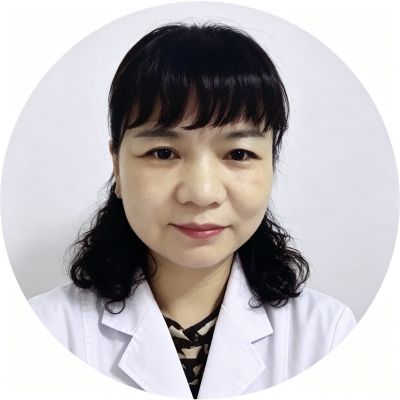
Patients with lumbago mostly have insufficiency of the liver and kidney. Clinically, observe the relationship between the pain location and the Bladder Shu point, and treat based on syndrome differentiation.
— Chen Yan Traditional Chinese Medicine Practitioner
Related Popular Articles
Related Practicing Physicians


Related TCM Treatment Programs
This page is for the popular science of traditional Chinese medicine knowledge and does not constitute medical advice. Specific diagnosis should be completed by a licensed traditional Chinese medicine practitioner in person.
This article has been reviewed by licensed TCM physicians at Hangzhou Kezhentang TCM Clinic. It is for TCM popular science reference only and does not involve specific treatment plan recommendations.
References: Internal Medicine of TCM (13th Five-Year Plan Textbook), Diagnostic and Therapeutic Effectiveness Standards for TCM Diseases and Syndromes (ZY/T001.1-94), Classification and Codes of TCM Diseases and Syndromes (GB/T 15657-2021)