What is the comprehensive adjustment for sub-healthy condition?

For common sub-healthy conditions among office workers such as cervical and lumbar strain, insomnia and anxiety, chronic fatigue, and decreased immunity, comprehensive TCM interventions and constitution nurturing are conducted using Chinese herbs, acupuncture, and massage. Sub-health is a 'third state' between health and disease, where physical examination results may be normal but there are obvious discomforts in the body and mind.

Applicable Population and Common Symptoms

  • Long-term sedentary work: neck and lumbar pain, numbness in the shoulders and arms, lumbar muscle strain, mouse hand
  • Insomnia and anxiety: difficulty falling asleep, shallow sleep and easy to wake up, frequent dreams, drowsiness during the day, irritability and restlessness
  • Chronic fatigue syndrome: persistent fatigue, no relief after rest, decreased attention
  • Low immunity: frequent colds, recurrent mouth ulcers, slow wound healing
  • Dysfunction of digestion: bloating and acid regurgitation, constipation or diarrhea, abnormal appetite
  • Visual fatigue: dry and sore eyes, decreased vision, eye swelling and pain (due to long-term screen exposure)
  • Emotional fluctuations: irritability and restlessness or low mood, decreased interest

Mechanism of Action

The core of sub-health is imbalanced Yin and Yang, disharmony of Qi and blood, and malcoordination of organ functions. Traditional Chinese Medicine comprehensive adjustment starts from the holistic concept: using acupuncture to unblock meridians and relieve specific discomforts, using herbal medicine to differentiate and adjust the overall condition, using massage to relax local fatigue, and using dietary and lifestyle guidance to adjust lifestyle, achieving multidimensional comprehensive intervention.

Treatment Method

  • Chinese medicine diagnosis: Prescribe personalized formulas based on individual deviations
  • Acupuncture and massage: Relieve local discomfort in the neck, shoulders, waist, and legs
  • Moxibustion: Strengthen the body and enhance immunity
  • Lifestyle guidance: Dietary recommendations, regular sleep patterns, exercise suggestions
  • In the initial stage, it is recommended that the specific frequency be determined by the licensed Chinese medicine practitioner based on individual circumstances, and then regularly consolidate after stabilization (specifically determined by the physician)

Precautions

  • Adjustments are made by licensed TCM practitioners within the scope of TCM departments, based on syndrome differentiation
  • TCM adjustments should be combined with regular rest, moderate exercise, and a balanced diet
  • In case of clear organic lesions, priority should be given to receiving corresponding medical treatment
  • The effectiveness of adjustments varies due to individual differences and the degree of sub-health

The content above is for reference only, the specific treatment plan needs to be formulated after the TCM practitioner makes a diagnosis

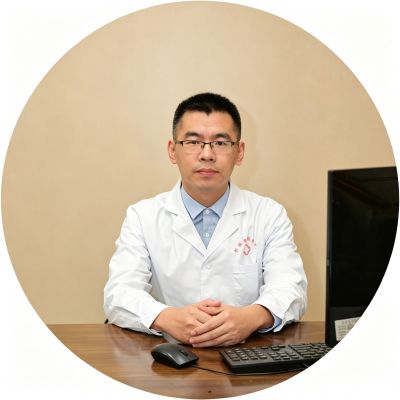
Licensed TCM Physicians
Wang Zhengxiang
Wang Zhengxiang Traditional Chinese Medicine Practitioner
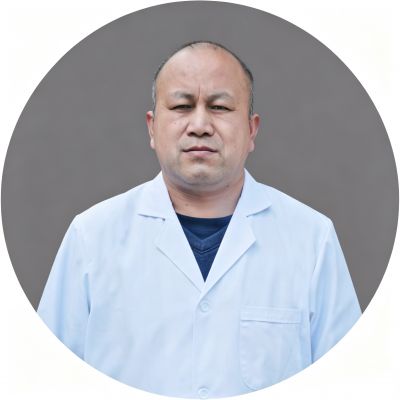
Li Mingjiu
Li Mingjiu Traditional Chinese Medicine Practitioner

Related Treatment Projects

Traditional Chinese Medicine Bloodletting Therapy

Traditional Chinese medicine blood-letti

Acupuncture Therapy

Jade needle is the first among the six t

Physical condition adjustment during the recovery period after a stroke

For individuals in the recovery period a

Nodule Constitution Traditional Chinese Medicine Regulation

For common nodular constitutions such as

Common Questions

Compiled based on real medical consultation scenarios, please take the face-to-face diagnosis of a practicing Chinese medicine physician as the standard.

I am 32 years old and work in the IT industry. For the past two years, I have lacked motivation for everything, poor sleep quality, discomfort in my neck and back, but my annual physical examination has always been good. Am I too sensitive?

You are not sensitive at all — this is a typical sub-healthy state, which is already a clear body signal in traditional Chinese medicine: long-term sitting at a desk injures the tendons and bones (aching neck and lower back), high work pressure consumes the heart and blood (insomnia and fatigue), and prolonged sitting and lack of movement disrupt the Qi flow (weakened digestive function). These conditions cannot be detected by Western physical examinations, but traditional Chinese medicine can identify them with a single glance — thick and greasy tongue coating, thin and wiry pulse, pale or dark complexion. Sub-health is the station before illness, and traditional Chinese medicineRegulate or adjust is to grasp this golden window period, preventing the development of illness.

I have problems like insomnia, neck pain, and poor digestion at the same time. Do I need to see different specialists? Can traditional Chinese medicine handle everything in one go?

This is also the biggest advantage of traditional Chinese medicine — the concept of holism, not separating the head, neck, stomach, and spirit. In traditional Chinese medicine, your insomnia, neck and back pain, and poor digestion are seen as different manifestations of the sameBody imbalance — it may be liver depression and Qi stagnation (affecting mood and sleep) + meridian blockage (neck, shoulder, and back discomfort) + spleen and stomach disharmony (poor digestion), not three completely different diseases. By using Chinese herbs to soothe the liver and Qi, acupuncture and massage to unblock the meridians, and dietary guidance to adjust the spleen and stomach, we can simultaneously regulate the three problems from the root.

Do I need to take leave during the adjustment period? How can office workers arrange their time?

You do not need to take leave. Ke Zhen Tang is open from 9:00-22:30, with doctors on duty during lunch breaks and holidays. You can come after work or on weekends. The single session of acupuncture and massage is not long, suitable for scheduling after work. Chinese herbs can be decocted or in formula granules, easy to carry, and do not affect work.

Is there a concept of a course in traditional Chinese medicine adjustment? Or is it done when it's fixed?

The "course" of traditional Chinese medicine adjustment is a dynamic evaluation period rather than a fixed adjustment cycle — the practicing traditional Chinese medicine doctor will adjust the plan according to the changes in tongue coating, pulse, and symptoms during each follow-up visit. After a significant improvement, it can be changed to a consolidation frequency, and after maintaining stability, it can be regularly followed up (such as adjusting during seasonal changes). The ideal state of sub-health adjustment is: adjusting until you feel "your body has returned to its normal state," and then gradually reducing the frequency to enter the maintenance period — it's a bit like fitness, with high intensity in the early stage and much easier in the maintenance period.

I have a lot of stress, and I have already experienced hair loss and tinnitus. Is it sub-health or already sick?

Both are possible — hair loss and tinnitus caused by stress are often classified in traditional Chinese medicine as liver depression transforming into fire or kidney and liver Yin deficiency. When these "somatization" symptoms appear, it indicates that sub-health has already reached a level that affects body function, and if not intervened, it may further develop into organic problems. It is recommended to see a doctor as soon as possible for a complete traditional Chinese medicine constitution identification and sub-health assessment. At the same time, it is recommended to have a Western physical examination to see if there are organic causes such as hyperthyroidism, anemia, and autoimmune diseases. Traditional Chinese medicine adjustment, life stress reduction, and psychological counseling when necessary, a multi-pronged approach.

The above Q&A is compiled based on common medical consultation scenarios.