Dizziness
AliasDizziness and Vertigo
Traditional Chinese Medicine Definition
Vertigo, also known as dizziness, is a type of disease in the field of internal medicine within traditional Chinese medicine. The classical text "The Yellow Emperor's Internal Classic" records: "Vertigo is caused by the internal movement of liver wind, disturbing the clear orifices." In modern textbooks of traditional Chinese internal medicine, it is also defined as a syndrome resulting from factors such as hyperactivity of liver Yang, deficiency of Qi and blood, and obstruction of phlegm and turbidity, leading to malnutrition of the clear orifices, poor circulation of the brain collaterals, and presenting primarily with symptoms of dizziness and blurred vision.
The clinical syndrome differentiation of vertigo is mainly based on the pathogenesis theory of traditional Chinese medicine. The core pathogenesis is malnourishment of the clear orifices and obstructed brain collaterals. Common triggers include emotional distress, irregular diet, and overexertion. During syndrome differentiation, attention should be paid to the following key points:
1. Liver Yang hyperactivity syndrome: Manifested as vertigo with tinnitus, distending headache, irritability and easy anger, red face and eyes. This syndrome type is mostly caused by emotional distress, liver Qi stagnation transforming into fire and generating wind.
2. Qi-blood deficiency syndrome: Manifested as vertigo that worsens with movement and is triggered by exertion, with a pale complexion. This syndrome type is mostly caused by chronic illness and weakness, or irregular diet, spleen-stomach weakness, and lack of source for Qi-blood production.
3. Phlegm-turbidity obstructing the middle syndrome: Manifested as vertigo with a feeling of heaviness in the head as if wrapped, chest oppression and nausea, poor appetite and drowsiness. This syndrome type is mostly caused by spleen-stomach weakness, internal generation of damp-turbidity, and phlegm-dampness obstructing the middle.
Overall direction of regulation: In TCM clinical practice, treatment should adopt corresponding methods based on different syndrome types. Liver Yang hyperactivity syndrome should be treated by pacifying the liver and subduing Yang, clearing fire and extinguishing wind; Qi-blood deficiency syndrome should be treated by tonifying Qi and nourishing blood, strengthening the spleen and stomach; phlegm-turbidity obstructing the middle syndrome should be treated by drying dampness and resolving phlegm, strengthening the spleen and harmonizing the stomach. Traditional Chinese medicine holds that by regulating organ function and balancing Yin and Yang, the goals of relieving symptoms and improving constitution can be achieved.
Common Syndrome Types and Key Points of Differentiation
Liver-yang hyperactivity syndrome
Main Manifestations: Dizziness, tinnitus, headache, feeling of fullness in the head, irritability, easy to be angry, red face, red eyes
Management Approach: Calming the liver and subduing Yang, clearing fire and stopping wind
Deficiency of Qi and blood syndrome
Main Manifestations: Dizziness worsens with movement, occurs with fatigue, and the complexion becomes pale
Management Approach: Tonify Qi and blood, invigorate the spleen and stomach
Phlegm-Damp Obstruction Syndrome
Main Manifestations: Dizziness with a heavy head as if covered, chest oppression and nausea, decreased appetite and increased sleepiness
Management Approach: Dry dampness and resolve phlegm, strengthen the spleen and harmonize the stomach
The above syndrome information is based on traditional Chinese medicine textbooks and clinical standards. Specific differentiation should be completed by a practicing traditional Chinese medicine physician in person.
Physician's Clinical Insights
In clinical practice, patients with vertigo often have accompanying dry eyes. Syndrome differentiation should focus on liver-kidney Yin deficiency.
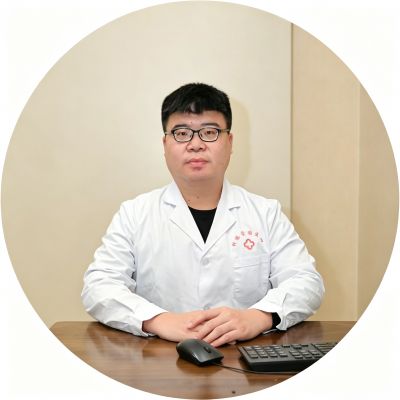
— Zhu Yongbing Traditional Chinese Medicine Practitioner
Related Popular Articles
Related Practicing Physicians

Related TCM Treatment Programs
This page is for the popular science of traditional Chinese medicine knowledge and does not constitute medical advice. Specific diagnosis should be completed by a licensed traditional Chinese medicine practitioner in person.
This article has been reviewed by licensed TCM physicians at Hangzhou Kezhentang TCM Clinic. It is for TCM popular science reference only and does not involve specific treatment plan recommendations.
References: Internal Medicine of TCM (13th Five-Year Plan Textbook), Diagnostic and Therapeutic Effectiveness Standards for TCM Diseases and Syndromes (ZY/T001.1-94), Classification and Codes of TCM Diseases and Syndromes (GB/T 15657-2021)