Knee Osteoarthritis
AliasOsteoarthritis
Traditional Chinese Medicine Definition
Knee Osteoarthritis, also known as "Guanbi" in traditional Chinese medicine, falls under the category of bone injury diseases in Chinese medicine. According to the classic text "Internal Medicine of Traditional Chinese Medicine," knee osteoarthritis is caused by deficiencies in the liver and kidney, malnourishment of the tendons and bones, and subsequent invasion by pathogenic factors of wind, cold, and dampness, leading to joint pain, swelling, stiffness, and restricted movement.
In clinical practice of traditional Chinese medicine, the core pathogenesis of knee osteoarthritis is deficiency in the liver and kidney, malnourishment of the tendons and bones, and subsequent invasion by external pathogenic factors. Common precipitating factors include prolonged sitting, fatigue, trauma, and changes in weather. During the process of differentiation, it is important to distinguish between cold and heat, deficiency and excess, such as in the case of cold and dampness obstruction, where the knee joint is characterized by cold and heavy pain, which worsens in cold weather and improves with warmth; in the case of damp-heat obstruction, the knee joint presents with redness, swelling, heat, and pain, with restricted movement; and in the case of liver and kidney deficiency, the knee joint exhibits hidden pain, difficulty in flexion and extension, and weakness. The overall direction of treatment suggests the need for dispersing cold and dampness, clearing heat and promoting diuresis, tonifying the liver and kidney, and strengthening the tendons and knees. In clinical practice, the treatment of knee osteoarthritis emphasizes holistic treatment, combining internal and external approaches to restore joint function and alleviate pain.
Common Syndrome Types and Key Points of Differentiation
Cold-Damp Arthritis Obstruction Syndrome
Main Manifestations: Stiffness and pain in the knee, exacerbated by cold, relieved by warmth
Management Approach: Expel Cold and Dampness, Warm the Channels and Dredge the Collaterals
Damp-Heat Arthritis Obstruction Syndrome
Main Manifestations: Red, swollen, hot, and painful knees, with limited movement
Management Approach: Clear Heat and Promote Diuresis, Dredge the Channels and Alleviate Pain
Deficiency of liver and kidney
Main Manifestations: Mild pain in the knee joint, difficulty in flexion and extension, weakness and softness
Management Approach: Tonify the Liver and Kidneys, Strengthen the Muscles and Knees
The above syndrome information is based on traditional Chinese medicine textbooks and clinical standards. Specific differentiation should be completed by a practicing traditional Chinese medicine physician in person.
Physician's Clinical Insights
In clinical practice, patients with knee osteoarthritis often suffer from deficiencies in the liver and kidney. Tonic therapy for the liver and kidney can often alleviate joint pain.
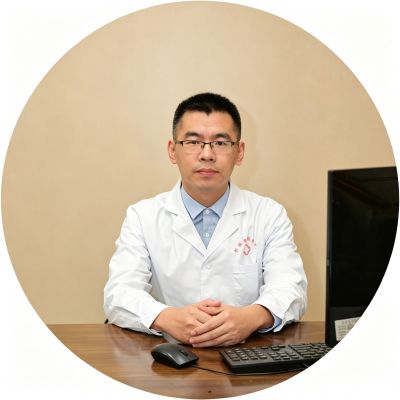
— Li Mingjiu Traditional Chinese Medicine Practitioner
Related Popular Articles
Related Practicing Physicians
This page is for the popular science of traditional Chinese medicine knowledge and does not constitute medical advice. Specific diagnosis should be completed by a licensed traditional Chinese medicine practitioner in person.
This article has been reviewed by licensed TCM physicians at Hangzhou Kezhentang TCM Clinic. It is for TCM popular science reference only and does not involve specific treatment plan recommendations.
References: Internal Medicine of TCM (13th Five-Year Plan Textbook), Diagnostic and Therapeutic Effectiveness Standards for TCM Diseases and Syndromes (ZY/T001.1-94), Classification and Codes of TCM Diseases and Syndromes (GB/T 15657-2021)