Neurodermatitis
AliasPsoriasis
Traditional Chinese Medicine Definition
Neurodermatitis, known as "psoriasis" in traditional Chinese medicine (TCM), is a dermatological disease syndrome. According to the Internal Medicine of TCM, the disease is often caused by factors such as emotional disorders, irregular diet, and external wind invasion, leading to the obstruction of Qi and blood circulation, malnourishment of the skin, and consequently, the occurrence of skin lesions. The pathological mechanism primarily involves blood stasis, wind-dryness, and blood deficiency, manifesting as symptoms such as dry, thickened, and itchy skin.
In clinical practice of TCM, the core pathological mechanism of neurodermatitis is blood stasis, wind-dryness, and blood deficiency. Common triggers include emotional disorders, irregular diet, and external wind invasion. During the differential diagnosis, attention should be paid to distinguishing the properties of cold and heat, and the nature of deficiency and excess, such as red and itchy skin lesions, which are often attributed to damp-heat syndrome; whereas dry, thickened, lichenified, and desquamated skin lesions are indicative of blood deficiency and wind-dryness syndrome. The overall treatment approach suggests focusing on clearing heat and dampness, expelling wind, and stopping itching, with blood deficiency and wind-dryness patients requiring nourishing blood, moistening dryness, and stopping wind and itching. In clinical practice, the treatment of neurodermatitis emphasizes harmonizing Qi and blood, balancing Yin and Yang, to achieve the purpose of treating both the symptoms and the root cause.
Common Syndrome Types and Key Points of Differentiation
Wind-Damp Heat Accumulation Syndrome
Main Manifestations: Skin damage with redness, erosion, and severe itching
Management Approach: Clear heat and drain dampness, expel wind and stop itching
Blood Deficiency and Wind Dryness Syndrome
Main Manifestations: Dry, thickened skin lesions with lichenification, desquamation
Management Approach: Nourish blood and moisten dryness, calm the wind and stop itching
The above syndrome information is based on traditional Chinese medicine textbooks and clinical standards. Specific differentiation should be completed by a practicing traditional Chinese medicine physician in person.
Physician's Clinical Insights
Patients with neurodermatitis often present with blood deficiency and wind-dryness, and nourishing blood and moistening dryness is the foundation of treatment.
— Chen Yan Traditional Chinese Medicine Practitioner
Related Popular Articles
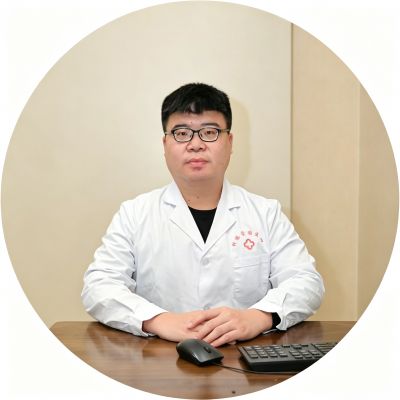
Related Practicing Physicians

Related TCM Treatment Programs
This page is for the popular science of traditional Chinese medicine knowledge and does not constitute medical advice. Specific diagnosis should be completed by a licensed traditional Chinese medicine practitioner in person.
This article has been reviewed by licensed TCM physicians at Hangzhou Kezhentang TCM Clinic. It is for TCM popular science reference only and does not involve specific treatment plan recommendations.
References: Internal Medicine of TCM (13th Five-Year Plan Textbook), Diagnostic and Therapeutic Effectiveness Standards for TCM Diseases and Syndromes (ZY/T001.1-94), Classification and Codes of TCM Diseases and Syndromes (GB/T 15657-2021)