Mass Accumulation
Aliashepatosplenomegaly/abdominal mass
Traditional Chinese Medicine Definition
The condition known as "Accumulation," also referred to as hepatosplenomegaly or abdominal mass, falls under the category of diseases related to Qi, blood, and body fluid. According to the classic text "Internal Medicine of Traditional Chinese Medicine," Accumulation is caused by the obstruction of Qi flow, blood stasis, and phlegm aggregation, primarily manifested as abdominal masses and piercing,Wandering, and distending pain. The disease is often located in the liver and spleen, with a mixed pattern of both deficiency and excess, and the treatment focuses on soothing the liver, alleviating depression, and promoting blood circulation to resolve stasis.
In clinical practice of Traditional Chinese Medicine, Accumulation is a common disease condition, with the core pathogenesis being the stagnation of Qi and the conglomeration of blood stasis and phlegm. Common precipitating factors include emotional disturbances, irregular diet, and overexertion. During the process of differentiation, attention should be paid to distinguishing between cold and heat, as well as deficiency and excess. Cold Accumulation is characterized by acute abdominal pain with contraction, which alleviates with warmth; hot Accumulation is characterized by burning abdominal pain that is resistant to pressure; and deficiency Accumulation is characterized by soft abdominal masses and weakness due to long-term illness. The syndrome of blood stasis internally congealed can be seen with hard, painful abdominal masses that are not easily moved, and dark, sallow complexion. The direction of regulation suggests that attention should be given to soothing the liver, alleviating depression, promoting Qi flow, and resolving masses. For those with internally congealed blood stasis, it is advisable to remove blood stasis, soften hardness, and invigorate the spleen and Qi. During the overall regulation, it is also necessary to adjust the patient's lifestyle to alleviate symptoms and improve the prognosis.
Common Syndrome Types and Key Points of Differentiation
Liver Qi Stagnation syndrome
Main Manifestations: Gaseous accumulation in the abdomen, with piercing, distending pain that comes and goes
Management Approach: Shu Gan Jie Yu, Xing Qi San Jie
Blood Stasis Syndrome with Internal Conglomeration
Main Manifestations: Abdominal mass is prominent, hard and painful, with a dark complexion
Management Approach: Remove blood stasis and soften hardness, invigorate the spleen and benefit the Qi
The above syndrome information is based on traditional Chinese medicine textbooks and clinical standards. Specific differentiation should be completed by a practicing traditional Chinese medicine physician in person.
Physician's Clinical Insights
For patients with Accumulation, the size, texture, and mobility of the mass are important indicators for determining the intermingling of phlegm and blood stasis.
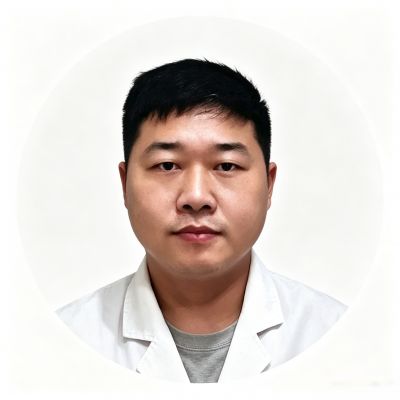
— Wang Zhengxiang Traditional Chinese Medicine Practitioner
Related Popular Articles
Related Practicing Physicians
Related TCM Treatment Programs
This page is for the popular science of traditional Chinese medicine knowledge and does not constitute medical advice. Specific diagnosis should be completed by a licensed traditional Chinese medicine practitioner in person.
This article has been reviewed by licensed TCM physicians at Hangzhou Kezhentang TCM Clinic. It is for TCM popular science reference only and does not involve specific treatment plan recommendations.
References: Internal Medicine of TCM (13th Five-Year Plan Textbook), Diagnostic and Therapeutic Effectiveness Standards for TCM Diseases and Syndromes (ZY/T001.1-94), Classification and Codes of TCM Diseases and Syndromes (GB/T 15657-2021)