Postpartum Fever
AliasPuerperal fever
Traditional Chinese Medicine Definition
Postpartum Fever, known in traditional Chinese medicine as "Shanlu Heat," refers to a condition where women experience fever as the primary symptom within a certain period after childbirth. According to the records in "Internal Medicine of Traditional Chinese Medicine," postpartum fever is often caused by postpartum deficiency of Qi and blood, disharmony of Nutritive qi andDefensive qi, external invasion of six evil factors, or internal retention of heat. The symptoms include postpartum fever, abnormal lochia, or accompanied by symptoms such as lower abdominal pain, weakness in the lower back and knees.
Postpartum fever is a common gynecological disease in traditional Chinese medicine, with the core pathogenesis being postpartum deficiency of Qi and blood and disharmony of Nutritive qi andDefensive qi. Common causes include postpartum weakness, invasion of external pathogens, and internal obstruction of blood stasis. In the process of differential diagnosis, attention should be paid to distinguishing between cold and heat, deficiency and excess, such as the manifestation of infection with toxic pathogens, characterized by high fever, chills, lower abdominal pain that is resistant to palpation, and malodorous lochia; while blood stasis fever is characterized by intermittent fever and chills, insufficient lochia, or very little lochia. The overall direction of treatment suggests harmonizing Nutritive qi and Defensive qi, clearing heat and detoxifying, and activating blood and resolving stasis. In clinical practice, the treatment of postpartum fever should follow the principle of differential diagnosis and treatment, adopting corresponding treatment methods based on specific patterns. Traditional Chinese medicine believes that the treatment of postpartum fever should focus on reinforcing the body's vital energy and consolidating the foundation, combined with methods of clearing heat and detoxifying, activating blood and resolving stasis, to achieve the purpose of harmonizing Qi and blood and restoring the balance of the body.
Common Syndrome Types and Key Points of Differentiation
Syndrome of Infection by Pathogenic Toxins
Main Manifestations: Postpartum high fever with chills, lower abdominal pain that is resistant to pressure, and foul-smelling lochia
Management Approach: Clear heat and detoxify, cool blood and resolve blood stasis
Blood stasis and fever syndrome
Main Manifestations: Postpartum chills and fevers, with scanty lochia or very little lochia coming down
Management Approach: Promote blood circulation and resolve blood stasis, harmonize the nutrient and reduce fever
The above syndrome information is based on traditional Chinese medicine textbooks and clinical standards. Specific differentiation should be completed by a practicing traditional Chinese medicine physician in person.
Physician's Clinical Insights
For patients with postpartum fever, attention should be given to postpartum care, differential diagnosis, and the supplementation of Qi and blood.
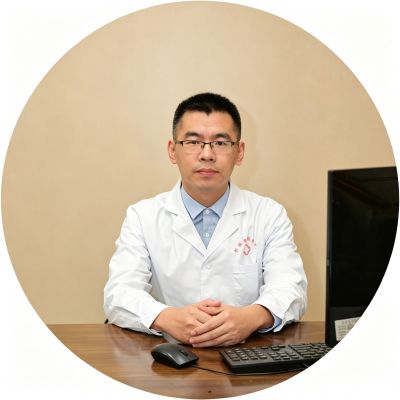
— Zhu Yongbing Traditional Chinese Medicine Practitioner
Related Popular Articles
Related Practicing Physicians

Related TCM Treatment Programs
This page is for the popular science of traditional Chinese medicine knowledge and does not constitute medical advice. Specific diagnosis should be completed by a licensed traditional Chinese medicine practitioner in person.
This article has been reviewed by licensed TCM physicians at Hangzhou Kezhentang TCM Clinic. It is for TCM popular science reference only and does not involve specific treatment plan recommendations.
References: Internal Medicine of TCM (13th Five-Year Plan Textbook), Diagnostic and Therapeutic Effectiveness Standards for TCM Diseases and Syndromes (ZY/T001.1-94), Classification and Codes of TCM Diseases and Syndromes (GB/T 15657-2021)