Metrorrhagia
AliasFunctional uterine bleeding
Traditional Chinese Medicine Definition
In traditional Chinese medicine, "Bleeding and Leaking" (menorrhagia) refers to the non-cyclic uterine bleeding in women, characterized by excessive menstrual bleeding, persistent spotting, or sudden, profuse bleeding. The color of the blood may range from red to pale, with a consistency that can be thick or thin. It is often accompanied by symptoms such as weakness in the lower back and knees, dizziness, tinnitus, palpitations, and insomnia. According to the "Internal Medicine of Traditional Chinese Medicine," bleeding and leaking is categorized under "irregular menstruation" and "menstrual collapse," and is one of the common gynecological syndromes.
In clinical practice of traditional Chinese medicine, the core pathogenesis of bleeding and leaking is the instability of the Chong and Ren meridians, leading to disharmony of Qi and blood. Common precipitating factors include emotional disturbances, irregular diet, and excessive fatigue. During the differential diagnosis, attention should be paid to distinguishing between cold and heat, deficiency and excess, such as blood heat syndrome, which presents with irregular menstruation, excessive bleeding, bright red color, and thick blood; kidney deficiency syndrome, characterized by irregular menstruation, persistent spotting, weakness in the lower back and knees; and spleen deficiency syndrome, which manifests as excessive bleeding with pale and thin blood, fatigue, and a sallow complexion. The overall approach to treatment suggests focusing on consolidating the Chong meridian and stopping bleeding, adopting corresponding treatment methods based on different patterns, such as clearing heat and cooling blood, reinforcing the kidneys and consolidating the Chong meridian, and replenishing Qi to control bleeding. Traditional Chinese medicine believes that the treatment of bleeding and leaking should emphasize harmonizing Qi and blood, balancing Yin and Yang, to achieve the purpose of treating both the root and the branch.
Common Syndrome Types and Key Points of Differentiation
Blood Heat Syndrome
Main Manifestations: Irregular menstruation with heavy flow, bright red color, thick texture, irritability, and thirst
Management Approach: Clear Heat and Cool Blood, Fortify the Marrow and Stop Bleeding
Kidney Deficiency Syndrome
Main Manifestations: Irregular menstrual periods, continuous and profuse bleeding, soreness in the loins and knees
Management Approach: Tonify the Kidneys and Fortify the Marrow, Regulate Menstruation and Stop Bleeding
Spleen Deficiency Syndrome
Main Manifestations: Leakage of blood from the lower body, pale and thin blood, fatigue, and yellowish complexion
Management Approach: Tonify Qi and Stabilize the Blood, Fortify the Collateral and Stop Bleeding
The above syndrome information is based on traditional Chinese medicine textbooks and clinical standards. Specific differentiation should be completed by a practicing traditional Chinese medicine physician in person.
Physician's Clinical Insights
The key to treating bleeding and leaking lies in stopping bleeding and regulating menstruation, while also reinforcing the body's vital essence.
— Chai Xia Yang Traditional Chinese Medicine Practitioner
Related Popular Articles
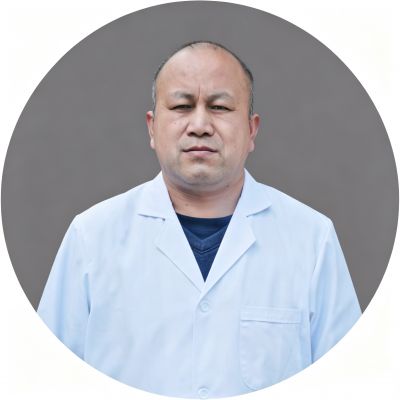
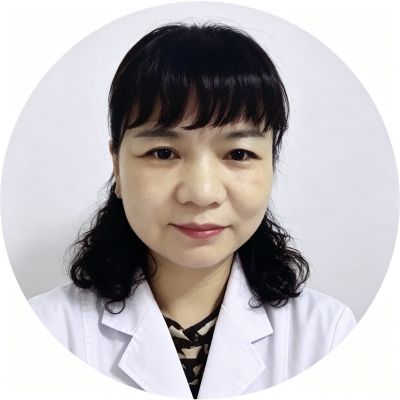
Related Practicing Physicians


Related TCM Treatment Programs
This page is for the popular science of traditional Chinese medicine knowledge and does not constitute medical advice. Specific diagnosis should be completed by a licensed traditional Chinese medicine practitioner in person.
This article has been reviewed by licensed TCM physicians at Hangzhou Kezhentang TCM Clinic. It is for TCM popular science reference only and does not involve specific treatment plan recommendations.
References: Internal Medicine of TCM (13th Five-Year Plan Textbook), Diagnostic and Therapeutic Effectiveness Standards for TCM Diseases and Syndromes (ZY/T001.1-94), Classification and Codes of TCM Diseases and Syndromes (GB/T 15657-2021)