What is TCM Constitution Identification?

Traditional Chinese Medicine (TCM) constitution identification is based on the standards of the Chinese Society of Chinese Medicine: Classification and Identification of TCM Constitutions. It is conducted by certified TCM practitioners through the integration of the four diagnostic methods: observation, listening, inquiry, and palpation. Clinically, constitutions are divided into nine basic types: Balanced Constitution, Qi Deficiency Constitution, Yang Deficiency Constitution, Yin Deficiency Constitution, Phlegm-Dampness Constitution, Damp-Heat Constitution, Blood Stasis Constitution, Qi Stagnation Constitution, and Special Constitution. Many people have mixed constitutions (coexistence of two or more constitution types).

Applicable Population and Common Symptoms

  • Qi deficiency constitution: prone to fatigue, shortness of breath, lassitude, easy to catch a cold, pale complexion; - Yang deficiency constitution: afraid of cold, cold hands and feet, loose stools, lack of vitality; - Yin deficiency constitution: dry mouth and throat, hot palms, night sweats, dry stools, prone to irritability; - Phlegm-dampness constitution: overweight, chest tightness with excessive phlegm, sticky mouth, excessive facial oil secretion; - Damp-heat constitution: greasy and shiny face, bitter and dry mouth, sticky stools, prone to acne and eczema; - Blood stasis constitution: dark complexion, prone to ecchymosis, dark lips, forgetfulness; - Qi stagnation constitution: low mood, melancholic, insomnia with frequent dreams, chest and rib stuffiness; - Special constitution: allergic constitution, prone to urticaria, allergic rhinitis, asthma; - Individuals unsure of their constitution type, hoping to clarify the direction of adjustment through professional assessment; - Patients preparing for TCM adjustment and herbal paste tonification, who need to clarify their constitution before visiting.

Mechanism of Action

Through the combination of four diagnostic methods (inspection of facial and tongue appearance, auscultation of voice and smell, inquiry about lifestyle and symptoms, and palpation of pulse and body), multi-dimensional information collection is conducted, combined with the nine constitution classification standards for qualitative and quantitative assessment, forming a personal constitution bias analysis report, providing an objective reference for subsequent differential regulation.

Regimen and process

Practicing TCM doctors conduct systematic medical history taking and constitution assessment, establish individual TCM health records, provide constitution identification reports, and offer personalized adjustment suggestions (dietary guidance, exercise recommendations, TCM intervention plans, etc.) based on constitution imbalances. It is recommended to follow the doctor's advice for regular re-evaluation and dynamically track the trend of constitution changes.

Precautions

  • Physique identification belongs to the category of traditional Chinese medicine health assessment and does not constitute a disease diagnosis
  • It is recommended to wear loose clothing for pulse diagnosis and abdominal palpation
  • Avoid drinking alcohol, intense exercise, or being too hungry or too full before identification
  • All assessments are completed by licensed TCM practitioners within the scope of the TCM department of the Gongshu District Health Bureau.

The content above is for reference only, the specific treatment plan needs to be formulated after the TCM practitioner makes a diagnosis
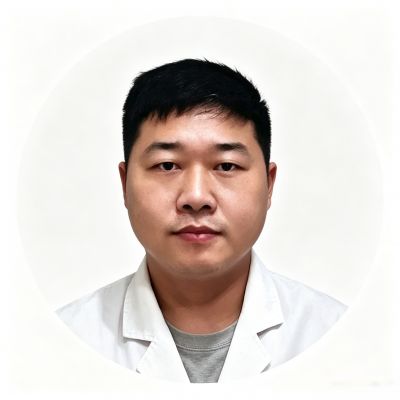
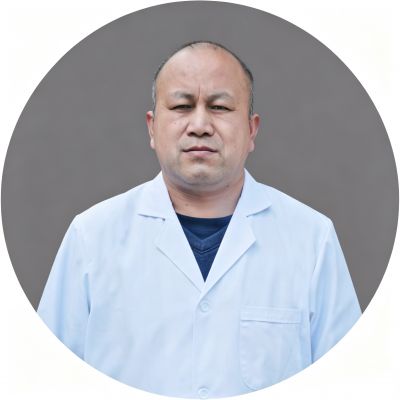
Licensed TCM Physicians

Fan Li
Fan Li Traditional Chinese Medicine (TCM) Practitioner Assistant Physician
Wang Zhengxiang
Wang Zhengxiang Traditional Chinese Medicine Practitioner

Related Treatment Projects

Traditional Chinese Medicine Health File Establishment

Deficiency of both Heart and Spleen: fre

Common Questions

Compiled based on real medical consultation scenarios, please take the face-to-face diagnosis of a practicing Chinese medicine physician as the standard.

I always feel cold in my hands and feet during winter and hot in the palms of my hands in summer. My colleagues say I have cold body, but online it says I have Yin deficiency. Which one is correct?

This is why it is necessary to have a TCM constitution identification rather than guessing on your own—your symptoms are exactly typical of a mixed constitution (Yang deficiency + Yin deficiency). Cold hands and feet are typical manifestations of Yang deficiency, while hot palms and feeling of dryness point to Yin deficiency. In clinical practice, most people are not of a single constitution but rather have two or even three constitutions coexisting. Self-diagnosis is easy to lead to misjudgment—such as treating Yin deficiency as Yang deficiency and warming it up, which may worsen discomfort. Only after a qualified TCM practitioner has made a comprehensive assessment through observation, listening, inquiry, and pulse-taking can an accurate constitution type and nourishment direction be given.

I always feel tired, prone to catching colds, and have a bad complexion, even though my annual physical examination is normal. Can constitution identification find the cause?

Definitely. The 'normal' physical examination indicators do not mean that constitution imbalance does not exist—this is the unique value of TCM constitution identification. Your symptoms are highly indicative of a Qi deficiency constitution (easy fatigue + prone to catching colds + pale complexion are the three core signals of Qi deficiency). The starting point of TCMRegulate or adjust is to firstly identify the type of constitution imbalance, and then formulate corresponding nourishment plans (diet, exercise, sleep, Chinese medicine, moxibustion, etc.), rather than waiting until someone 'gets sick' before intervention. It is recommended to establish a personal TCM health record after identification and regularly review and track the trend of constitution changes.

I've heard that constitution can be changed through postnatal adjustment. How long does it take to feel the change?

Yes, constitution can indeed change through continuous TCM nourishment and lifestyle improvement, which is the core concept of TCM's 'treating disease before it occurs'. Constitution change is a gradual process, influenced by multiple factors such as age, diet, sleep, mood, and exercise. A qualified TCM practitioner will provide a targeted nourishment plan based on your constitution identification report. It is recommended to follow the doctor's advice and regularly review to dynamically track the trend of constitution changes, as the effect of nourishment varies from person to person.

I've done constitution identification in different places and got different results. Which one should I believe?

Differences in constitution identification results are normal, but not because they are 'inaccurate', but rather because: 1. Time factor—constitutions are dynamic and changeable (seasons, diet, mood can all affect it); 2. Mixed constitution—most people have multiple constitutions coexisting, and different doctors may focus on different imbalances; 3. Evaluation standards—a qualified TCM practitioner at Ke Zhen Tang follows the standardized evaluation standards of the Chinese Society of Chinese Medicine. It is recommended to choose a trusted qualified TCM practitioner to establish a long-term record for better continuity.

What preparations do I need to make before doing constitution identification? Should I fast or eat normally?

To better cooperate with the qualified TCM practitioner's observation, listening, inquiry, and pulse-taking, please pay attention to the following points in advance: Do not scrape your tongue coating (tongue appearance is an important basis for TCM differentiation, and brushing it off makes it invisible); avoid drinking alcohol and eating colored foods (such as coffee, blueberries, etc.); wear loose clothing for easy pulse-taking and abdominal palpation; it is best to maintain your usual sleep schedule and do not change your dietdeliberately because you are going to identify your constitution.

The above Q&A is compiled based on common medical consultation scenarios.