Diabetes mellitus
AliasDiabetes Mellitus
Traditional Chinese Medicine Definition
Xiaoke (Diabetes Mellitus): Xiaoke, in traditional Chinese medicine, refers to a disease characterized primarily by polydipsia, polyphagia, polyuria, and weight loss. According to the "Internal Medicine of Traditional Chinese Medicine," the pathological mechanism of Xiaoke is characterized by Yin deficiency and dryness with heat, with the primary involvement of the lung, stomach, and kidney, particularly the kidney being the key organ. Xiaoke is equivalent to diabetes mellitus in modern medicine.
In clinical practice, Xiaoke is a common syndrome of Qi, blood, and body fluid disorders in traditional Chinese medicine. Its core pathological mechanism is Yin deficiency and dryness with heat, often caused by irregular diet, emotional disharmony, and excessive sexual activity. Common precipitating factors for Xiaoke include excessive intake of sweet and spicy foods, as well as emotional disturbances.
During the differentiation of syndromes, attention should be paid to distinguishing between cold and heat, and deficiency and excess. The Lung Heat and Fluid Damage syndrome manifests as excessive thirst and polydipsia, dry mouth and tongue, frequent and abundant urination; the Stomach Heat Exuberant syndrome is characterized by polyphagia, emaciation, and dry stools; the Kidney Yin Deficiency syndrome presents with frequent and abundant urination, turbid and thick urine, and soreness in the lower back and knees. The overall direction of treatment suggests that appropriate therapeutic methods should be adopted according to different syndrome types, such as clearing heat and moistening the lung, generating fluid to quench thirst, clearing the stomach and purging fire, nourishing Yin and increasing body fluid, nourishing Yin and consolidating the kidney, and moistening dryness to quench thirst. Traditional Chinese medicine believes that the treatment of Xiaoke should focus on nourishing Yin and moistening dryness, harmonizing Yin and Yang, to achieve the effect of treating both the root and the branch.
Common Syndrome Types and Key Points of Differentiation
Lung Heat and Fluid Damage
Main Manifestations: Excessive thirst with frequent and large amounts of urine, dry mouth and tongue, and frequent urination
Management Approach: Clear heat and moisten the lungs, generate saliva to relieve thirst
Excessive Stagnation of Stomach Heat
Main Manifestations: Increased appetite with easy hunger, emaciated body, and dry stools
Management Approach: Clear the stomach and reduce fire, nourish yin and increase fluid
Kidney Yin Deficiency
Main Manifestations: Frequent urination with large volume, turbid as grease, soreness in the lower back and knees
Management Approach: Nourish yin and strengthen the kidneys, moisten dryness and relieve thirst
The above syndrome information is based on traditional Chinese medicine textbooks and clinical standards. Specific differentiation should be completed by a practicing traditional Chinese medicine physician in person.
Physician's Clinical Insights
In the clinical observation of Xiaoke patients, excessive thirst and polydipsia are common, accompanied by a red tongue with little coating and a thin yellow coating, which often requires nourishing Yin and clearing heat to adjust Yin and Yang.
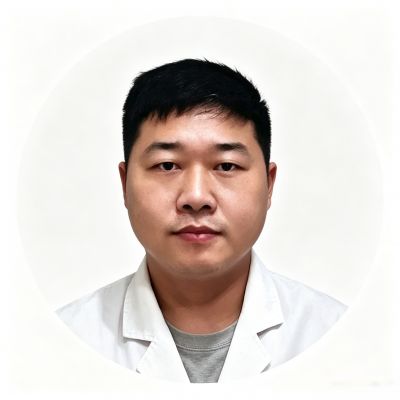
— Wang Zhengxiang Traditional Chinese Medicine Practitioner
Related Popular Articles
Related Practicing Physicians


Related TCM Treatment Programs
This page is for the popular science of traditional Chinese medicine knowledge and does not constitute medical advice. Specific diagnosis should be completed by a licensed traditional Chinese medicine practitioner in person.
This article has been reviewed by licensed TCM physicians at Hangzhou Kezhentang TCM Clinic. It is for TCM popular science reference only and does not involve specific treatment plan recommendations.
References: Internal Medicine of TCM (13th Five-Year Plan Textbook), Diagnostic and Therapeutic Effectiveness Standards for TCM Diseases and Syndromes (ZY/T001.1-94), Classification and Codes of TCM Diseases and Syndromes (GB/T 15657-2021)